

Cost Of Living In Qatar
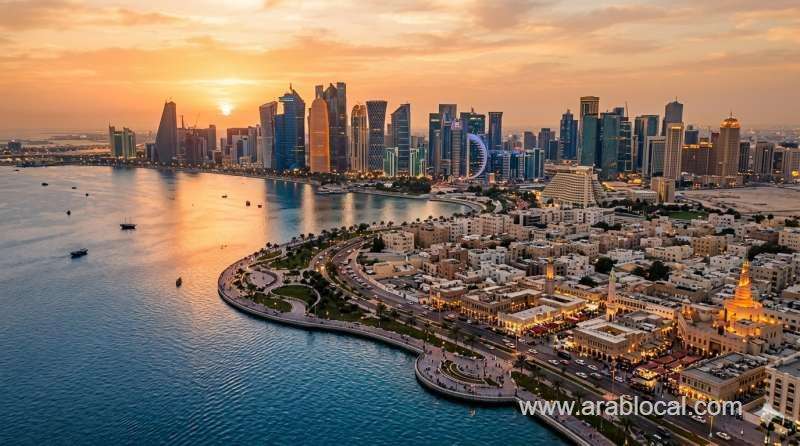
Full breakdown of the cost of living in Qatar in 2026 — rent, groceries, fuel, healthcare, education and monthly budget estimates in QAR for expats.
Qatar is one of the wealthiest and most expat-friendly countries in the world, offering tax-free salaries, world-class infrastructure, and a high standard of living. This article breaks down every major expense you will face as a resident in Qatar in 2026 — from rent and groceries to fuel, healthcare, education, and entertainment — with confirmed QAR prices so you can build an accurate monthly budget before you move.
Why Expats Choose Qatar
Qatar consistently attracts professionals from around the world for a compelling set of reasons. There is no personal income tax, meaning your entire gross salary is yours to keep. The country ranks among the safest in the world, with extremely low crime rates and a stable political environment. Infrastructure is world-class — from the Doha Metro and Hamad International Airport to modern hospitals and shopping malls. The expat community is large and well-established, with residents from over 150 nationalities calling Qatar home.
Understanding what you will actually spend each month is essential before accepting a job offer or signing a lease. Qatar can be expensive — particularly for housing and education — but with tax-free income and smart budgeting, many expats find they save more here than they did back home. This breakdown covers every major expense category with current, confirmed QAR prices as of 2026.
Housing Costs in Qatar
Housing is the single largest expense for most residents in Qatar. Prices vary dramatically depending on the area, size of the property, and whether the unit is furnished or unfurnished. Most expats rent rather than buy, though the government has opened certain freehold zones to foreign ownership. Employers in Qatar are legally required to provide accommodation or an accommodation allowance, so always check your employment contract before renting independently.
Luxury Areas: The Pearl and West Bay
The Pearl-Qatar is a man-made island off the Doha coastline and one of the most sought-after addresses for expats who want waterfront living, upscale dining, and a walkable lifestyle. West Bay is Doha's main financial and diplomatic district, home to skyscrapers, embassies, and premium residential towers.
| Property Type | The Pearl (QAR/month) | West Bay (QAR/month) |
|---|---|---|
| Studio | 6,500–9,000 | 5,500–8,000 |
| 1-Bedroom | 8,000–13,000 | 6,000–9,000 |
| 2-Bedroom | 11,000–18,000 | 9,000–15,000 |
| 3-Bedroom | 15,000–25,000 | 12,000–20,000 |
| Villa / Penthouse | 20,000–40,000+ | 18,000–35,000+ |
Mid-Range Areas: Al Sadd, Lusail, and Madinat Khalifa
Al Sadd is one of Doha's most established and vibrant urban neighbourhoods, offering a wide mix of studios, one-bedroom, and two-bedroom apartments at more accessible prices. Lusail is a modern master-planned city north of Doha, increasingly popular with families and young professionals for its new developments and competitive rents. Madinat Khalifa suits families who want space, proximity to schools, and a quieter residential environment.
| Property Type | Al Sadd (QAR/month) | Lusail (QAR/month) | Madinat Khalifa (QAR/month) |
|---|---|---|---|
| Studio | 3,500–5,500 | 4,500–7,000 | 4,000–6,000 |
| 1-Bedroom | 4,000–7,000 | 5,000–8,000 | 5,000–8,000 |
| 2-Bedroom | 6,000–10,000 | 7,000–12,000 | 7,000–11,000 |
| 3-Bedroom | 8,000–13,000 | 9,000–15,000 | 9,000–14,000 |
Budget-Friendly Areas: Al Mansoura, Old Airport, and Al Wakrah
For residents looking to reduce housing costs, Al Mansoura, Old Airport, Najma, and Fereej Bin Mahmoud offer more affordable options while still being close to the city centre. Al Wakrah, located south of Doha, is a quieter coastal town that appeals to families seeking space and affordability. Hotel apartments in areas like Umm Ghuwailina and Old Airport can cost 14–28% less than comparable standard apartments, making them a practical option for newcomers.
| Property Type | Al Mansoura / Old Airport (QAR/month) | Al Wakrah / Al Rayyan (QAR/month) |
|---|---|---|
| Studio | 2,500–4,500 | 2,500–4,000 |
| 1-Bedroom | 3,500–5,500 | 3,500–5,000 |
| 2-Bedroom | 5,000–8,000 | 5,000–7,500 |
| 3-Bedroom | 6,500–10,000 | 6,000–9,500 |
For more detail on which area suits your lifestyle and budget, read our article on the best neighbourhoods to rent an apartment in Qatar.
Buying Property in Qatar
Foreign nationals can purchase property in designated freehold zones including The Pearl-Qatar, Lusail, and Fox Hills. Apartment purchase prices in central areas typically range from QAR 15,000 to QAR 30,000 per square metre. The Qatar Golden Visa program requires a minimum real estate investment of QAR 728,000 for temporary residence or QAR 3,650,000 for permanent residence.
Grocery and Food Costs in Qatar
Qatar imports the majority of its food, and this is reflected in grocery prices, which are moderate to high for imported goods but more affordable for locally grown produce. The major supermarket chains — Lulu Hypermarket, Carrefour, Al Meera, and Family Food Centre — offer competitive pricing on everyday essentials. Shopping at local markets for fresh produce and choosing locally made products can bring costs down significantly.
Here are confirmed average prices for everyday grocery staples in Qatar in 2025–2026:
| Item | Approximate Price (QAR) |
|---|---|
| Milk (1 litre) | QAR 7.50–8.00 |
| Eggs (1 dozen) | QAR 11.00–11.50 |
| Chicken breast (1 kg) | QAR 20–30 |
| Rice (1 kg, local brand) | QAR 5–10 |
| Bread (local loaf) | QAR 5–8 |
| Tomatoes (1 kg) | QAR 4–8 |
| Potatoes (1 kg) | QAR 3–6 |
| Bottled water (1.5 litre) | QAR 1–2 |
A single person can expect to spend QAR 600–1,200 per month on groceries depending on whether they eat primarily home-cooked meals or rely more on dining out. A couple or small family typically spends QAR 1,200–2,500 per month on groceries.
Dining out in Qatar covers a wide price range. A fast food meal at McDonald's or similar costs QAR 25–35. A meal at a local restaurant costs QAR 30–60 per person. A dinner for two at a mid-range restaurant averages QAR 150–260. High-end restaurants at The Pearl or in five-star hotels will cost QAR 300–600 or more per person. Qatar's inaugural Michelin Guide was launched in December 2024, recognising the finest dining experiences in Doha.
Transportation Costs in Qatar
Qatar offers a growing public transport network, affordable fuel for private vehicle owners, and a range of ride-hailing options. Your transport costs will depend heavily on whether you own a car, rely on public transit, or use taxis regularly.
Doha Metro
The Doha Metro is the most popular and cost-effective transport option in Qatar. It currently operates three lines — Red, Green, and Gold — covering 76 kilometres with 37 stations. A fourth Blue Line is under construction, connecting Hamad International Airport Terminal 2 to West Bay, with completion expected in phases through 2026–2027.
| Ticket Type | Standard Class (QAR) | Gold Club Class (QAR) |
|---|---|---|
| Single Journey | QAR 2 | QAR 10 |
| Day Pass | QAR 6 | QAR 30 |
| Monthly Pass (30 days) | QAR 120 | Not available |
| Standard Travel Card (reloadable) | QAR 10 | QAR 100 (Gold Club Card) |
Metrolink feeder buses connecting metro stations to surrounding neighbourhoods are free of charge. Children under five travel free. Family Class carriages are reserved for families and solo female travellers.
Karwa Buses
Karwa public buses operate across Doha and surrounding areas and are commonly used together with the metro. A rechargeable Karwa Smartcard is required to board. For most regular commuters, a combined monthly transport budget of QAR 100–150 is sufficient when using the metro and bus network together.
Ride-Hailing: Uber, Careem, and Karwa Taxi
Ride-hailing services are widely available in Doha. The minimum fare for both Uber and Careem starts at QAR 8. Fares increase with distance, time, and during peak hours. Government-owned Karwa taxis use a metered system with meters starting at QAR 4 and running at QAR 1.60 per km within Doha during the day. Outside Doha or at night, the rate increases to QAR 1.90 per km. A taxi ride from the airport to central Doha typically costs QAR 50–80.
For a full overview of taxi options in Qatar, see our taxi services in Qatar article.
Owning a Car in Qatar
Car ownership is common in Qatar due to the country's road infrastructure and the relatively low cost of fuel. As of April 2026, confirmed fuel prices announced by QatarEnergy are:
| Fuel Type | Price per Litre (QAR) — April 2026 |
|---|---|
| Premium 91 (Gasoline) | QAR 1.85 |
| Super 95 (Gasoline) | QAR 2.05 |
| Diesel | QAR 2.05 |
Fuel prices in Qatar are reviewed and announced monthly by QatarEnergy. While fuel itself is affordable, total car ownership costs — including loan repayments, mandatory third-party insurance (4–7% of vehicle value annually), annual vehicle inspection for cars over three years old, servicing, and registration — typically run QAR 7,000–18,000 per month depending on the vehicle type.
Utilities and Internet Costs
Qatar's government subsidises utilities, making electricity and water bills relatively manageable compared to other countries in the region. Monthly utility costs for electricity, water, cooling, and garbage in a standard 85 square metre apartment typically fall between QAR 200–500. Larger apartments, villas, or properties with heavy air conditioning use during summer can reach QAR 700–1,000 per month.
Internet and mobile services in Qatar are provided primarily by Ooredoo and Vodafone Qatar. Combined monthly costs for a broadband internet connection and a mobile plan typically range from QAR 150–300 per month depending on the package and data allowance. High-speed fibre broadband packages start from around QAR 170 per month.
| Utility | Monthly Cost (QAR) |
|---|---|
| Electricity, Water, Cooling, Garbage (standard apartment) | QAR 200–500 |
| Electricity, Water, Cooling (large villa/summer peak) | QAR 700–1,200 |
| Internet (broadband/fibre, unlimited) | QAR 130–250 |
| Mobile Plan (local calls + data) | QAR 50–150 |
Healthcare Costs in Qatar
Healthcare in Qatar is accessible through both the public Hamad Medical Corporation (HMC) network and a well-developed private sector. The system works differently for Qatari nationals and expat residents, so it is important to understand your options before you need them.
The Hamad Health Card costs QAR 100 per year for residents, with an annual renewal fee of QAR 100. This card gives access to government hospitals and Primary Health Care Centres at heavily subsidised or no cost. Emergency care at HMC is available to all registered users. Many expats hold the Hamad Health Card as a backup even when they also have private insurance.
Employers in Qatar are legally required to provide health insurance for their expat employees. Private health insurance, either employer-provided or personal, is highly recommended because it gives access to the faster, more specialised private hospital network. Comprehensive family health insurance plans can cost QAR 500–1,500 per month, or QAR 10,000–25,000 annually, depending on coverage level.
For private clinic visits without insurance, a doctor's consultation at a private hospital costs QAR 50–250. Specialist consultations range from QAR 250–500. Dental check-ups at private clinics typically cost QAR 100–300. Prescription medications are affordable at government pharmacies for card holders. Also Read: Best hospitals in Qatar for Expats
| Healthcare Type | Cost (QAR) |
|---|---|
| Hamad Health Card (annual) | QAR 100 + QAR 100 renewal |
| GP visit (government, with card) | QAR 50–100 |
| GP visit (private clinic) | QAR 100–250 |
| Specialist consultation (private) | QAR 250–500 |
| Private health insurance (monthly) | QAR 500–1,500 |
Education Costs in Qatar
Qatar's public education system provides free schooling to Qatari nationals. Expat families almost universally opt for private or international schools, which are widely available across Doha and offer British, American, IB, French, and other international curricula. Education is typically the second-largest household expense for expat families after housing.
Annual tuition fees for the 2025–2026 academic year vary significantly by school tier and curriculum:
| School Tier | Annual Tuition (QAR) | Examples |
|---|---|---|
| Budget / Entry-level | QAR 25,000–45,000 | Park House English School, Qatar International School |
| Mid-tier (British / IB) | QAR 55,000–95,000 | Compass International School, Newton British School, Qatar Academy |
| Premium | QAR 85,000–125,000+ | American School of Doha (ASD), Doha British School (DBS) |
Additional costs beyond tuition typically include a one-time registration or enrolment fee (QAR 1,000–5,000), a resources or learning materials levy (QAR 3,000–5,000 per year), school transport, uniforms, and extracurricular activity fees. Preschool and early years programmes at private institutions cost approximately QAR 2,900–4,000 per month for a full-day programme. When negotiating an employment package, always ask for an education allowance if you have school-age children — many employers include this as standard for senior and mid-level positions.
Maid and Domestic Help
Many families in Qatar employ live-in or part-time domestic workers for cleaning, cooking, and childcare. This is common across income levels and is more affordable than in most Western countries. Nannies in Qatar earn an average salary of approximately QAR 2,000–2,500 per month. Full-time live-in domestic workers typically earn QAR 1,500–2,500 per month plus accommodation and meals. Part-time cleaning services generally cost QAR 35–60 per hour. The employer is responsible for the worker's visa, health insurance, and return flights home.
Entertainment and Lifestyle Costs
Qatar offers a wide range of entertainment options across all budget levels. Entry to the Doha Metro's hop-on hop-off heritage tours, public beaches, Aspire Park, and the Corniche waterfront is free. Cultural visits to the Museum of Islamic Art, the National Museum of Qatar, and Katara Cultural Village are affordable or free. Cinema tickets at VOX, Cinépolis, or Novo Cinemas cost approximately QAR 40–70 per person. A gym membership typically costs QAR 150–400 per month depending on the facility.
Shopping in Qatar ranges from budget-friendly hypermarkets to luxury boutiques at The Pearl, Place Vendôme, and City Centre Doha. A pair of mid-range Nike running shoes costs around QAR 317. Men's leather business shoes average QAR 328. Clothing from high street brands is comparably priced to Europe, while luxury goods are often cheaper due to Qatar's tax structure.
| Activity / Item | Cost (QAR) |
|---|---|
| Cinema ticket | QAR 40–70 |
| Gym membership (monthly) | QAR 150–400 |
| Coffee at a café | QAR 15–30 |
| Fast food meal | QAR 25–35 |
| Mid-range restaurant (per person) | QAR 80–130 |
| Fine dining (per person) | QAR 300–600+ |
| Mid-range Nike running shoes | QAR 317 |
Monthly Budget Summary
The table below provides a realistic monthly budget estimate for three household types at three lifestyle levels. All figures are in QAR and include rent. Education costs are not included in the family estimate below — add QAR 4,500–10,500/month per child depending on school choice.
| Household Type | Modest Lifestyle (QAR/month) | Comfortable Lifestyle (QAR/month) | Premium Lifestyle (QAR/month) |
|---|---|---|---|
| Single Person | 6,000–9,000 | 9,000–13,000 | 14,000–20,000+ |
| Couple (no children) | 9,000–13,000 | 13,000–20,000 | 20,000–35,000+ |
| Family of Four (excl. school fees) | 12,000–18,000 | 18,000–28,000 | 30,000–50,000+ |
Numbeo's March 2026 data confirms that a single person's monthly costs excluding rent average approximately QAR 3,341. A family of four's monthly costs excluding rent average approximately QAR 11,968. Qatar's cost of living is around 24% lower than Germany and 27% lower than the United States when rent is excluded — though rent in Qatar is notably higher than many European cities.
Money Tips for Living in Qatar
Making the most of your tax-free salary in Qatar comes down to a few practical habits. Use the Doha Metro and Karwa bus network for daily commuting — a monthly pass at QAR 120 covers unlimited trips on the metro and Lusail Tram. Shop at Lulu Hypermarket, Al Meera, or Carrefour for day-to-day groceries and take advantage of their loyalty programmes and weekly promotions. Buy locally produced food and produce where possible, as it is always cheaper than imported equivalents.
If you send money home regularly, compare rates across Qatar's exchange companies before transferring. Al Fardan Exchange, Lulu International Exchange, Gulf Exchange, and City Exchange are among the most widely used. Our currency exchange and money transfer in Qatar article provides a full comparison of the leading exchange companies. You can also check today's live exchange rates at Qatar Local's live exchange rates page.
If your employer does not provide accommodation, negotiate hard on the housing allowance — it is the most significant variable in your total package. Consider hotel apartments in Old Airport or Umm Ghuwailina as a cost-effective starting point if you are new to the country and still exploring neighbourhoods. Finally, look for the Entertainer app, Urban Points, and Mybook for dining and leisure discounts that can meaningfully reduce your monthly entertainment spend.
Frequently Asked Questions
How much does a single person need to live comfortably in Qatar?
A single person living modestly needs approximately QAR 8,000–12,000 per month including rent. Those in premium areas like The Pearl or West Bay will spend QAR 13,000–16,000 or more per month.
What is the average rent for an apartment in Doha in 2026?
A studio costs QAR 4,500–7,500 per month. A one-bedroom in the city centre ranges from QAR 5,000–8,000 per month. A one-bedroom outside the centre costs QAR 4,000–6,500 per month. A three-bedroom in an upscale area runs QAR 10,000–15,000 per month.
What is the current fuel price in Qatar?
As of April 2026, Premium 91 petrol is QAR 1.85 per litre, Super 95 petrol is QAR 2.05 per litre, and diesel is QAR 2.05 per litre. Prices are announced monthly by QatarEnergy.
How much does the Doha Metro cost?
A Standard Class single journey costs QAR 2. A day pass is QAR 6. A monthly unlimited pass costs QAR 120. Gold Club single journey is QAR 10 and a Gold Club day pass is QAR 30.
Is healthcare free in Qatar for expats?
Not free, but subsidised. The Hamad Health Card costs QAR 100 per year and gives access to government health facilities at reduced rates. Most employers must provide private health insurance. Private consultations range from QAR 50–500 depending on the facility and specialist.
How much do international schools cost in Qatar?
Annual fees range from QAR 25,000–45,000 for budget-tier schools, QAR 55,000–95,000 for mid-tier schools, and QAR 85,000–125,000+ for premium schools. Many employers offer an education allowance as part of expat packages.
Is there income tax in Qatar?
No. Qatar has no personal income tax and no VAT on most consumer goods. Your entire gross salary is take-home pay.
What is the cheapest area to rent in Doha?
Al Mansoura, Old Airport, Najma, and Fereej Bin Mahmoud offer the most affordable rents, with studios from QAR 2,500–4,000 per month. Al Wakrah and Al Rayyan outside the city are also budget-friendly options for families.
How much do utilities cost per month in Qatar?
Electricity, water, cooling, and garbage for a standard apartment costs QAR 200–500 per month. Internet and mobile together cost QAR 150–300 per month. Total bills for an average apartment typically fall between QAR 350–800 per month.
How much does a family of four need per month in Qatar?
A family of four can expect to spend QAR 10,000–20,000 per month for a modest to comfortable lifestyle excluding school fees. Add QAR 4,500–10,500 per child per month for international school tuition depending on the school.