

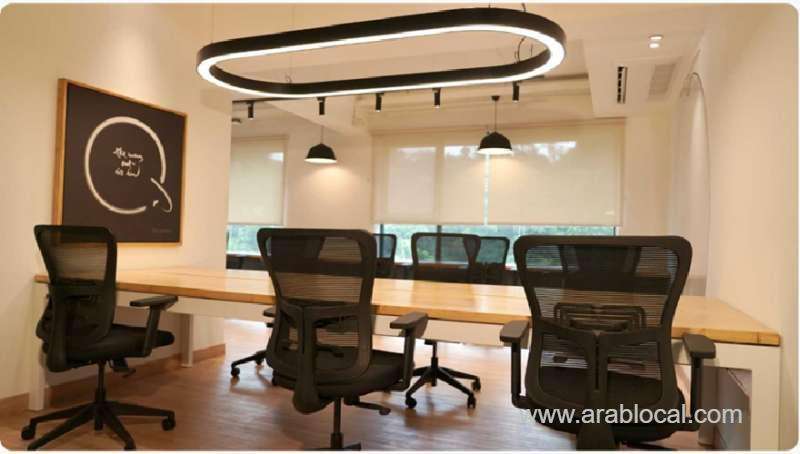
A New Workplace Culture Is Taking Shape in Qatar
A few years ago, most offices in Qatar followed a fairly traditional setup. Employees had fixed desks, meeting rooms were used only when necessary, and office layouts rarely changed. Today, that picture looks very different.
Hybrid work has gradually changed expectations across many industries. Teams are now splitting time between remote work and office collaboration, which means businesses have started paying much closer attention to how their workplaces actually function on a daily basis. Instead of designing offices only for appearance, companies are focusing more on flexibility, comfort, and practical workflow.
This shift can be seen across the GCC, especially in major business hubs like Dubai and Abu Dhabi, where companies are experimenting with more adaptable office environments. Workspace providers such as Urban 411 office furniture in the UAE have become part of this broader regional movement by introducing workstation systems, ergonomic setups, and office pod concepts designed around the realities of modern work.
The Office Is No Longer Just a Place to Sit
One of the biggest changes brought by hybrid work is the changing role of the office itself. Employees no longer come in simply to spend eight hours at the same desk. Offices are increasingly becoming spaces for collaboration, discussions, presentations, and team interaction.
Because of this, businesses in Qatar are redesigning their layouts to support different types of work throughout the day. It’s now common to see offices with:
- Shared workstation areas
- Informal collaboration spaces
- Quiet corners for focused tasks
- Flexible seating arrangements
- Small meeting zones for quick discussions
This kind of setup helps teams move more naturally between individual work and group collaboration without making the office feel overcrowded.
Flexible Workstations Are Becoming More Common
Another noticeable trend is the growing use of modular workstation systems. Businesses want office furniture that can evolve with their teams instead of needing constant replacement whenever layouts change.
Rather than investing in fixed desk arrangements, many companies are choosing workstation systems that can be adjusted, expanded, or reorganized more easily. This is particularly useful for growing businesses and hybrid teams where office attendance may vary throughout the week.
Some of the most requested features now include:
- Compact workstation layouts
- Integrated cable management
- Multi-user desk configurations
- Space-efficient desk systems
- Modular setups that can scale over time
Interestingly, many of these workplace trends are spreading regionally. Office concepts first seen in UAE workplaces are increasingly influencing how companies across Qatar and the GCC approach workspace planning.
Employee Comfort Is Becoming a Bigger Priority
Businesses are also becoming more aware of how office furniture affects employee wellbeing. Long hours spent working on screens have made ergonomics an important consideration rather than a luxury feature.
Simple adjustments in furniture design can make a significant difference in day-to-day comfort. Chairs with better lumbar support, improved desk heights, and properly positioned monitors all contribute to reducing physical strain during long workdays.
Height-adjustable desks are also becoming more common in modern workplaces because they allow employees to alternate between sitting and standing throughout the day. Many businesses across the Gulf are exploring these types of flexible desk systems as part of a broader move toward healthier and more adaptable office environments.
Office Pods and Quiet Spaces Are Gaining Attention
Open office layouts have their advantages, especially for collaboration, but they also come with distractions. Noise, constant movement, and back-to-back conversations can make it difficult for employees to focus when they need quiet time.
To solve this problem, more companies are introducing office pods and dedicated quiet zones into their layouts. Across the Gulf region, interest in smart office pods has grown considerably, particularly in workplaces looking to balance privacy with open collaboration. In the UAE, suppliers such as Urban 411 office furniture have been part of this growing trend by offering compact office pods solutions that support focused work, virtual meetings, and private discussions without requiring major structural changes to the office.
For many businesses, these smaller private spaces are becoming just as important as traditional meeting rooms.
Technology Is Influencing Office Layouts Too
Modern office design is now closely connected to technology. Employees rely on multiple devices throughout the day, and offices need to support those workflows without creating clutter or inefficiency.
As a result, businesses are paying more attention to features like:
- Built-in charging access
- Cleaner cable management systems
- Workstations designed for multiple screens
- Meeting areas optimized for video calls
These details may seem minor individually, but together they create a smoother and more productive work environment.
Final Thoughts
Hybrid work is no longer a temporary trend. It is actively reshaping how businesses across Qatar and the wider GCC think about office design. Companies are realizing that a well-planned workspace can directly influence productivity, employee comfort, and overall workflow.
From flexible workstation systems to ergonomic furniture and smart office pods, modern workplaces are gradually becoming more responsive to how people actually work today. As regional office trends continue to evolve, businesses that invest in adaptable and practical work environments are likely to see long-term benefits in both efficiency and employee experience